Open Access · Peer Reviewed · Multidisciplinary
Bridging Local Knowledge with Global Research Impact
Nexus Journal of Engineering, Sciences and Technology publishes high-quality, original research spanning engineering, sustainability, AI, entrepreneurship, and social innovation — connecting Sri Lanka’s brightest minds to the world.
About the Journal
A Platform Built for Multidisciplinary Research
Nexus Journal of Engineering, Sciences and Technology is a peer-reviewed, open access publication by UNIGAP — Sri Lanka’s pioneering global education and research platform based in Colombo 07.
The journal serves as a nexus — a meeting point — for researchers, academics, and practitioners across disciplines. Drawing on UNIGAP’s network of over 200 international academics and its track record of publishing more than 3,500 research papers through 20+ international conferences, Nexus Journal creates a rigorous and accessible channel for original scholarship.
We welcome submissions from Sri Lankan and international authors whose work aligns with the UN Sustainable Development Goals, advances applied research, or contributes to the body of knowledge across our thematic areas. All accepted articles are published online within 72 hours of acceptance and made freely available to readers worldwide.
Global Network
- Academic network
- 200+ professionals
- Partner nations
- 30+ countries
- Flagship partner
- Massey University, NZ
- Conferences behind it
- 20+ international
Global Reach, Local Roots
An international network spanning 30+ countries and renowned partners.
Rigorous Peer Review
Double-blind review upheld by an editorial panel of 200+ academics and industry leaders.
Fully Open Access
Freely and permanently accessible. Authors retain copyright under CC BY 4.0.
Rapid Publication
Accepted manuscripts are published online within 72 hours of final acceptance.
Aims & Scope
Thematic Areas We Cover
Nexus Journal accepts original research, review articles, and case studies across the following interdisciplinary domains.
Engineering & Built Environment
Structural, civil, mechanical, and sustainable engineering research with real-world applications in the built environment.
Artificial Intelligence & Technology
Machine learning, data science, intelligent systems, and digital transformation applied across sectors.
Sustainability & Circular Economy
Resource efficiency, renewable energy, climate adaptation, and circular models for equitable economies.
Agriculture & Food Systems
Agri-tech, food security, sustainable farming practices, and supply chain innovations across the region.
Entrepreneurship & Business Innovation
Startup ecosystems, social enterprise, innovation management, and economic development strategies.
Biomimicry & Bioinspired Design
Nature-inspired solutions addressing engineering, architecture, materials science, and sustainability challenges.
Social Impact & Development
Community development, inclusive education, gender equity, and governance for social transformation.
University–Industry Collaboration
Research partnerships, technology transfer, applied innovation, and knowledge translation from academia to practice.
Interdisciplinary & Emerging Areas
Cross-cutting research that bridges disciplines, challenges conventions, and opens new frontiers of inquiry.
Nexus Journal is fully Open Access
All published content is freely available worldwide. Authors retain full copyright under CC BY 4.0.
For Authors
Submit Your Research
We welcome manuscripts from researchers, postgraduate students, academics, and industry practitioners worldwide.
-
Step 01
Prepare Your Manuscript
Follow the author guidelines and use the provided template in APA or IEEE format depending on your discipline.
-
Step 02
Submit via the Online System
Upload your manuscript, cover letter, and author declarations through our secure submission portal.
-
Step 03
Peer Review Process
All submissions undergo double-blind peer review by at least two expert reviewers.
-
Step 04
Publication
Upon acceptance, your article is typeset, assigned a DOI, and published within 72 hours — fully open access.
Key Information
- Article Processing Charge
- See Guidelines
- Review Type
- Double-Blind
- Review Timeline
- 4–8 Weeks
- Post-Acceptance
- Within 72 Hours
- Copyright
- Retained by Authors
- License
- CC BY 4.0
- Language
- English
- Article Types
- Research, Review, Case Study
Editorial Leadership
Meet the Editorial Board
Nexus Journal is guided by an international panel of academics and practitioners across our core disciplines.

Prof. Ranjith Dissanayake
University of Peradeniya, Sri Lanka
Editor-in-Chief

Prof. Pang-jo Chun
University of Tokyo, Japan
Co-Editors-in-Chief

Prof. Leroy Gardner
Imperial College London, UK
Co-Editors-in-Chief
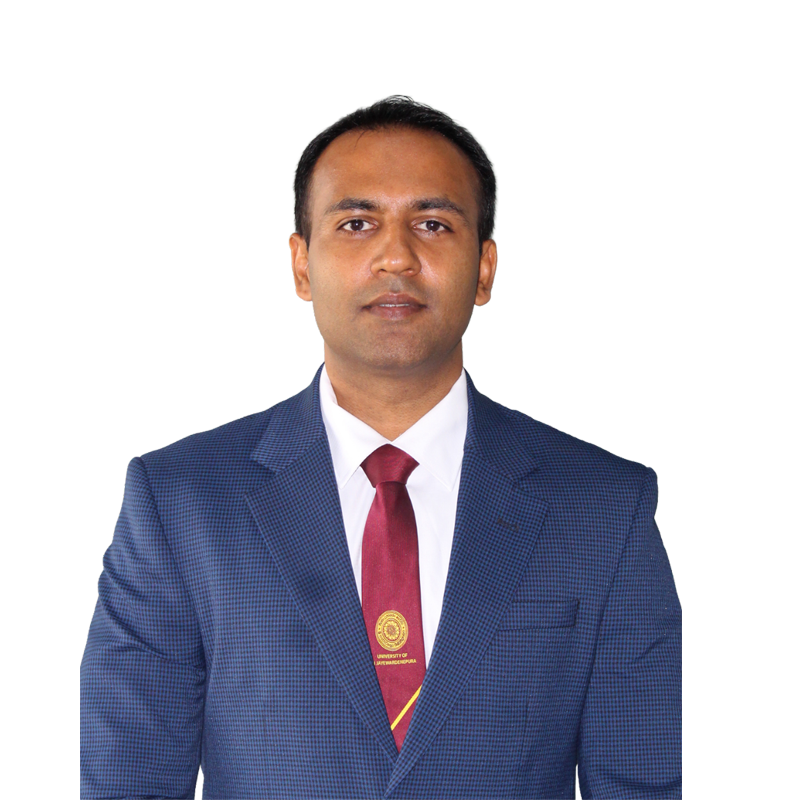
Dr. Pradeep Gajanayake
University of Sri Jayewardenepura, Sri Lanka
Managing Editor
Advisory Board Members

Prof. Priyan Mendis
University of Melbourne, Australia

Prof. Upul Attanayake
Western Michigan University, USA

Prof. Dilanthi Amaratunga
Loughborough University, UK

Prof. Sujeeva Setunge
RMIT University, Australia
The full editorial board of 200+ experts will be listed on the journal’s dedicated portal. View full board
Research Community
Flagship Conferences by UNIGAP
Nexus Journal is the natural publishing home for research presented at UNIGAP’s internationally recognised conference series.
International Conference on Sustainable Built Environment
Addressing sustainability challenges in construction, architecture, and urban planning across the globe.
AI Conference — AIMDA
Showcasing cutting-edge research in artificial intelligence, machine learning, and data analytics.
International Conference on Biomimicry for Sustainability
Exploring nature-inspired solutions that drive sustainable innovation in design, materials, and systems.
Conference proceedings authors — fast-track submission available
Authors of selected conference papers are invited to submit extended versions for full peer review and publication.
Ready to Share Your Research with the World?
Join researchers from over 30 countries who have published through UNIGAP’s academic platforms — freely accessible, without barriers.